In the realm of modern packaging, behind the unforgettable irregular gift boxes, the perfectly fitted inner tray structures, and the exquisitely shaped labels, lies one crucial process—die-cutting. This is not only the core step in achieving mass production but also the vital bridge that transforms creative designs from blueprints into tangible products.
Here, we'll cover what you need to know to better understand die-cutting. By systematically learning about this process, you'll gain a deeper grasp of the core elements in custom packaging production, empowering your brand products with added value.
What is Die Cutting?
Die cutting is a manufacturing process that uses custom-made dies (known as “cutting dies”) to perform precision stamping on various flat materials for batch forming. This process efficiently completes multiple operations in a single pass—including cutting, creasing, embossing, and half-cutting—enabling large-scale production of complex shapes and structures.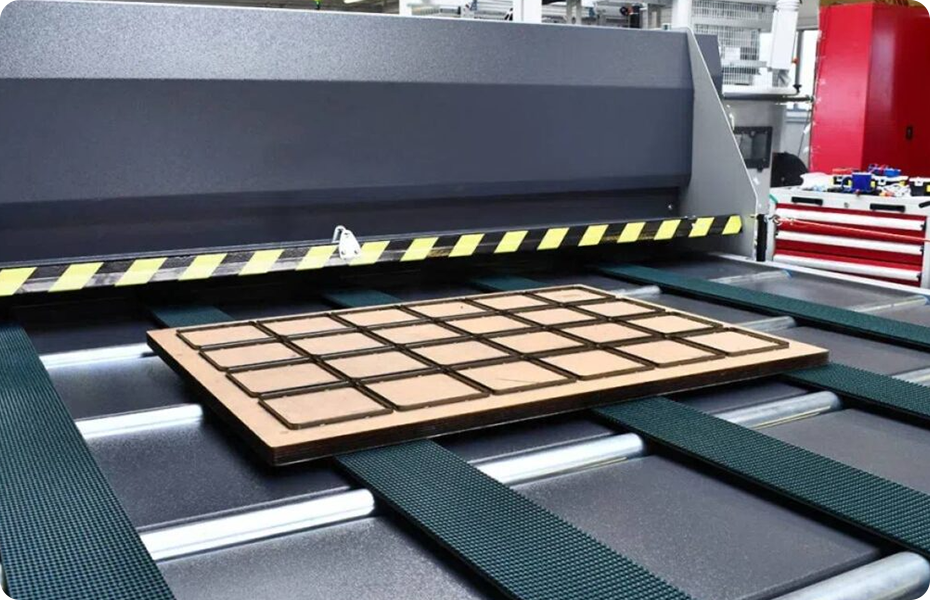
Simply put, die cutting can be likened to an industrial-grade “cookie cutter.” Just as a mold presses specific shapes into dough at once, a die cutting machine applies high pressure to drive the die through materials (such as paper, adhesive labels, etc) to precisely cut predetermined shapes. Simultaneously, it performs creasing for folding, embossing for added dimensionality, or half-cutting (partial separation) to achieve specific effects.
Die-cutting not only enables efficient transformation from flat to three-dimensional forms but has also become a critical technology for the standardized production of complex components in modern packaging, printing, electronics, automotive, and other industries.
The Importance of Die-Cutting in Packaging
Die-cutting technology occupies an irreplaceable core position in modern packaging. It transforms precision manufacturing capabilities into the market competitiveness and value creation required by brands. Its significance is primarily reflected in the following five key aspects: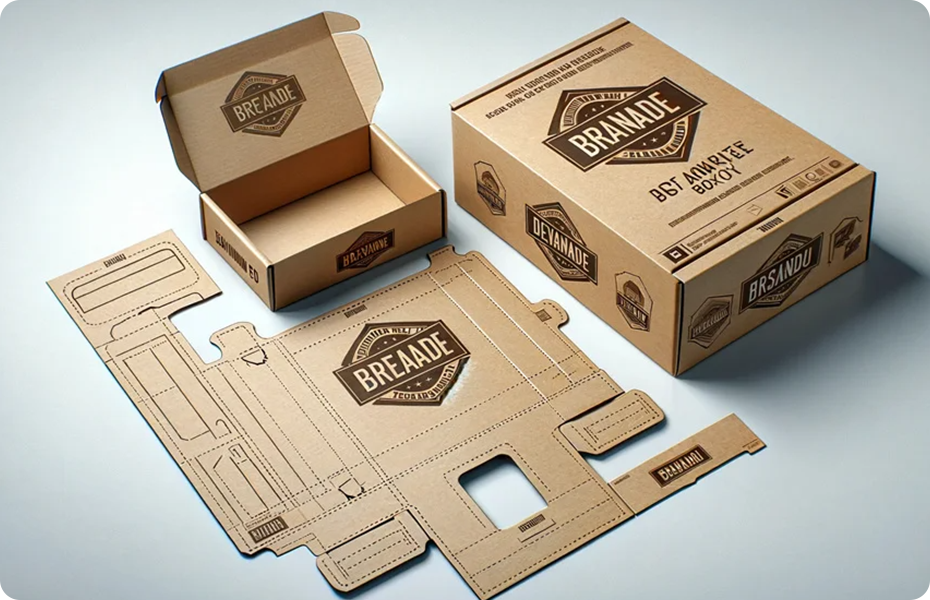
1、Delivering Unique Visual Competitiveness for Brands
Die-cutting liberates packaging from standard geometric constraints, enabling virtually any complex design—from intricate windows and organic biomimetic shapes to custom bottle contours and irregular structures. This near-limitless design freedom transforms packaging into a powerful “silent salesperson,” helping brands rapidly establish recognition in competitive markets while projecting a premium, innovative image.
2、Achieving Seamless Integration of Aesthetics and Functionality
Die-cutting prioritizes practical utility alongside visual innovation. Precise creasing enables smooth folding and rapid forming, while techniques like semi-cutting and embossing/debossing create multifunctional structures within a single material. Die-cut components like inserts and cushions achieve perfect product alignment, enhancing both visual cohesion and protective performance.
3、Ensuring Quality and Efficiency in Mass Production
Die-cutting offers high automation and standardization. Once the die is created, every cut component maintains identical precision regardless of order size. This consistency drastically reduces human error and scrap rates, making it ideal for efficient high-volume production. It controls costs while guaranteeing reliable brand quality output.
4、Supporting Flexible Application Across Diverse Materials
This process exhibits broad material adaptability, encompassing nearly all mainstream packaging substrates—cardstock, corrugated cardboard, plastics, foam, metal foil, and more. Brands can freely select the most suitable material for each product's positioning and requirements without compromising design creativity or functional demands due to processing limitations.
5、Enhancing Sustainability and Cost Efficiency
Through precise layout and automated cutting, die-cutting maximizes material utilization and minimizes waste. Its efficient production workflow reduces unit costs, with significant economies of scale in high-volume projects. This delivers optimal packaging solutions that harmonize aesthetics, functionality, and economic benefits for brands.
Die-Cutting Methods
Die-cutting encompasses multiple processing techniques, each suited to distinct structural and functional requirements. Common die-cutting methods include: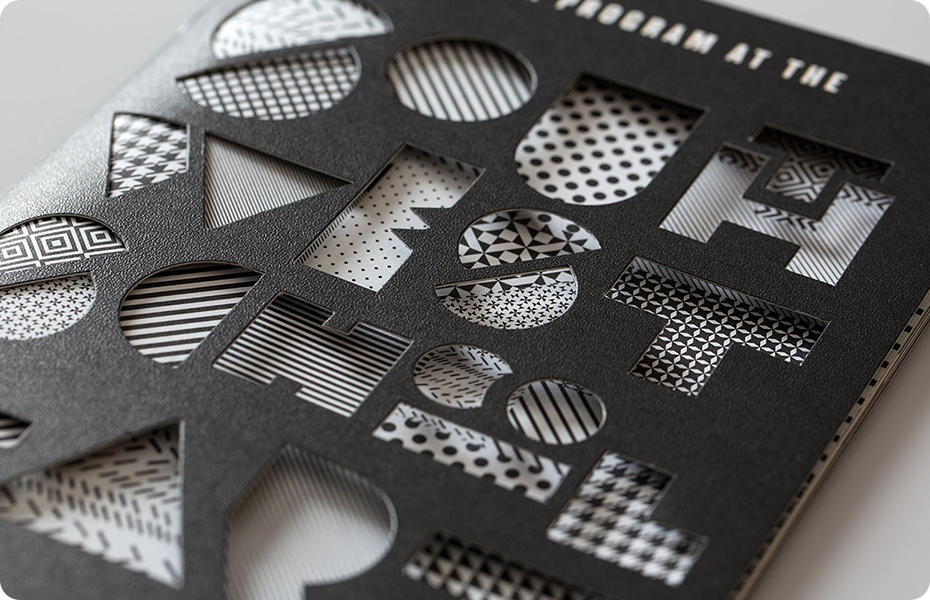
-Blanking: By cutting from the outer edge of a flat material, the desired shape segments are separated. This method ensures a smooth incision and precise dimensions.
-Drawing: Separates desired shape segments. This method ensures clean cuts and precise dimensions, making it suitable for accurately forming outer contours.
-Forming: Bends flat material into curved or three-dimensional shapes using dies, often combined with deep drawing processes to create circular or cylindrical objects.
-Coining: Creates circular holes in material using hydraulic presses to generate intricate and complex structural design details.
-Broaching: Continuous cutting of material using specialized tools with multiple rows of cutting teeth. Particularly effective for hard, thick materials difficult to process by other methods, enabling complex shapes and high-dimensional accuracy.
Step-by-Step Analysis: The Complete Die-Cutting Process
Die-cutting is a systematic and precision manufacturing process comprising multiple interconnected critical steps. Below is a comprehensive analysis of the workflow from design to finished product: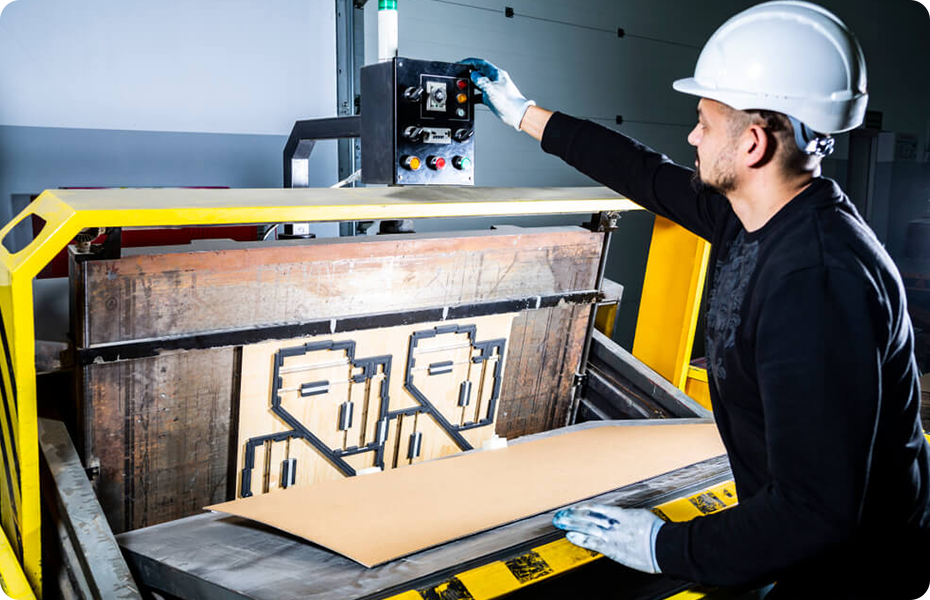
1、Design and Engineering Approval
Everything begins with design. Structural designers use professional software like CAD to build 3D models of the packaging and generate precise die-cutting line files (commonly in AI, PDF, or DXF formats). These files clearly mark cutting, creasing, and half-cut positions using solid lines, dashed lines, and dotted lines, respectively. Serving as authoritative engineering drawings guiding mold fabrication and production, they require final approval from both the client and manufacturer.
2、Die Fabrication
Custom dies are machined based on the approved die-cut line file. Laser cutting technology precisely forms the die slots in the substrate (multi-layer wood or metal plate). Pre-formed steel blades and creasing knives are then embedded and secured. Elastic foam strips are applied at critical points to assist material ejection and prevent sticking.
3、Equipment Debugging and Setup
The completed die is mounted onto a die-cutting machine (e.g., flatbed or rotary die-cutter). Operators meticulously adjust parameters such as pressure, feed speed, and stroke distance before conducting test cuts. Sample inspection ensures penetration depth, creasing depth, and registration accuracy meet quality standards.
4、Die-Cutting
Material (roll or sheet form) is automatically or semi-automatically fed into the die-cutting machine. Under immense pressure, the die performs the punching action, simultaneously completing all contour cuts, creasing, and any embossing or half-cut effects.
5、Stripping and Waste Removal
After die-cutting, the material forms a “mesh-like” sheet where waste borders connect to the product shapes. Excess waste around the periphery and within cutouts is removed via automatic stripping machines or manually, completely separating the desired shape units for subsequent processing.
6、Post-Processing and Quality Inspection
Die-cut components often require further processing, such as:
-Surface Finishing: Laminating, varnishing, foil stamping, UV spot coating;
-Forming: Box gluing, adhesive bonding, inner tray assembly;
-Other Operations: Quality inspection and counting, automated packaging, warehousing, and shipping.
Conclusion
Die-cutting is a critical process that combines precision, flexibility, and scalability. It enables the accurate and repeatable production of complex shapes, enhancing brand image while injecting greater functionality and visual appeal into retail packaging.
At Makepacks, we deeply understand the importance of packaging to product value. Our team seamlessly integrates creative design with engineering expertise, dedicated to delivering comprehensive packaging solutions from concept to finished product. Whether you have a preliminary idea or require professional advice and technical support, we are eager to help transform your vision into stunning market realities.